

It goes without saying that receiving mental health care can benefit struggling people. What about those having family issues or trying to strengthen family bonds? Well, then, there are family therapy activities!
Fostering better conflict resolution and communication habits can benefit entire families more than just individuals with family issues. Family therapy enhances overall connections and even establishes trust.
Not every family is perfect; some have imperfections, but that is something you can work on. Following family therapy activities can help you and your family support one another, build honesty and trust, and lower stress levels in the home.
Family bonding activities help you cooperate, share your emotions, and build trust and overall relationships to restore a healthy family dynamic.

Here are the top 12 entertaining family therapy games and communication activities for family therapy that will help you reestablish trust and strengthen family ties.
1. Chinese Whispers for family therapy
One way to foster good communication is active listening. One of the most effective family therapy communication activities for adults and kids is the Chinese whisper exercise. In this activity, all the family members stand in a line, and the person in the first or last line will whisper a sentence to the family member standing next to them.
To prevent others from overhearing, the family members must whisper that exact statement to one another. And the members will pass on the sentence to the next member. Finally, the last member of the family should verbally recite everything that has been communicated to them; it doesn’t matter if it is distorted.

2. Color candy goes around
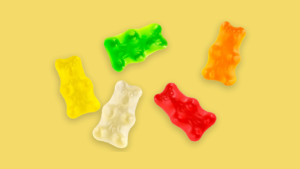
Family therapy games help the family open up about what can be better than candy. The activity with colorful candies helps families get to know one another better. Each family member will receive colored sweets from the family therapist, and each one must arrange their candy according to color. There is a unique question for each color of candy. They must answer the following questions based on how many colors each has;
Green: Use adjectives to describe your family
Orange: What should be changed about the family structure?
Red: What scares them
Yellow: List their most treasured recollections
Purple: Used to depict enjoyable family activities.
3. Family Gifts (Arts & Crafts)
Among the family therapy activities to build trust, this one is sweet. With the help of art and crafts supplies, your family can develop a gift concept that appeals to each individual and would benefit the entire group. Family therapy activities aim to foster teamwork, identify responsibilities, and amicably resolve obstacles and disagreements.
4. The spoon game
Families function much better as a whole when everybody feels heard. The best communication activity for family therapy is to grab a wooden spoon and gather your family around, for example, your dinner table. Practice focusing on just one person during or after eating.
The person with the wooden spoon will have the undivided attention of everyone. They could share with you what they did today, about their day, etc. Others must raise their hands and wait for the spoon to be transferred to them if they wish to speak or participate.
5. The fish game
Art can be healing, and this family aquarium therapy activity can be a great way to express your feelings. The family members will use cutouts of marine life to build an underwater ocean realm. Family members can use colorful construction paper to draw and cut out fish and sea creatures to make a family portrait. After the assignment is complete, each person can explain the collage, explaining what it symbolizes and what kind of sea animal each family member represents.
6. Feeling walk
This family particular family therapy game has a twist on musical chairs. You can arrange the seats in a circle, just like a musical chair, but there will be expressive sticky notes on every chair. The family will roam the room until the music stops. Now, they will speak the words written on the notes. They will also allow other family members to express their feelings towards the word. Thanks to this game, family members can readily comprehend each other’s values and beliefs.
7. Build a family crest
Creative family therapy activities always lighten up the mood, which is best for breaking the ice. The best part about this activity is that everybody can creatively contribute to creating their distinctive family crest. You can get some paper, paints, pens, and colors for this one. Before getting into it, the first step is to permit open discussion and take some notes together. Which symbols will be depicted on the crest, which colors to use, and so on. This exercise will aid in the growth of positive connections by making you more conscious of your shared interests and ties to one another.
8. Mime your feelings
Not all family bonding activities have words in them! Sometimes action speaks louder than words, and this is what mime is! Mimes communicate their ideas using gestures, moving their bodies and eyes. Similarly, nonverbal communication styles, like mimes, are just as effective as verbal communication since they convey emotions to others through their actions. You and your family will alternate communicating using nonverbal means during this game. You will need to guess the message’s significance and convey it to the group.
There is another way too. You can choose charade cards and act out the emotions that are printed on the cards using the feelings that are recorded. It is fun and therapeutic too.
9. Eye contact
The eye contact practice improves how well family members can communicate with one another and support one another. Family members are paired off and instructed to make eye contact. Looking into one another’s eyes and connecting with one another are vital to these family therapy activities to build trust.

10. Genogram
A genogram is a diagram showing your family tree. It can be utilized to depict the emotional connections within a family and the physical and biological ones. The genogram allows your family to identify emotional connections and their effects. Sometimes the root cause of family issues is a lack of structure, so structural family therapy activities such as genogram help establish family members’ roles.
11. Mirroring
Each member who is participating in this activity will act as the other’s mirror in this activity. The objective is to mimic the leader’s every motion while avoiding physical contact. Members improve their awareness of one another’s body language and emotional responses in this way, and it can be one of the fantastic family therapy games too.
12. Stand up-sit down
It is one of the most fun family therapy activities. This activity will make therapy more enjoyable because it will reveal certain truths. A family member will say something; for example, they will say something about another family member. And if this statement applies to that person, the other family members will sit down. This allows the group to be open and have fun while doing so.
In Conclusion
Try these enjoyable family therapy activities. It can be your first step toward happier and healthier family life. Supposing you’re trying to strengthen family bonds or get your family back together after moving apart, these therapy activities can help. Also, the therapists can suggest family counseling activities that help build trust and relationships.
What’s up everyone, it’s my first visit at this site, and piece of writing is genuinely
fruitful designed for me, keep up posting such posts.
Hi there! I know this is somewhat off topic but I was wondering
which blog platform are you using for this
website? I’m getting sick and tired of WordPress because I’ve had issues with
hackers and I’m looking at alternatives for another platform.
I would be awesome if you could point me in the direction of a good platform.