
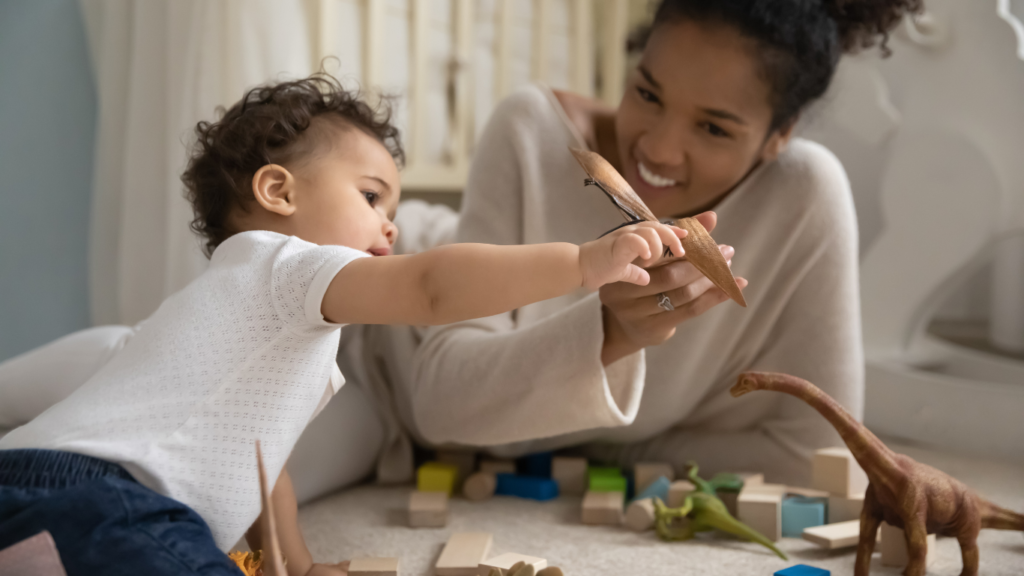
A child’s early years are a whirlwind of exploration and discovery, and praise vs. encouragement in early childhood are two models of positive reinforcement that will play a major role in nurturing a love of learning and building self-confidence. This article explores the two mainstays of positive reinforcement: praise vs. encouragement in early childhood. We’ll delve into the distinctions between these approaches, praise vs encouragement examples and how to use them most effectively to help your child thrive.
Understanding Praise and Encouragement
Defining Praise: Its Impact on Self-Perception and Motivation
Praise acknowledges a child’s accomplishments and positive behaviors. While it can be a powerful tool for boosting self-esteem and motivation, the impact depends on the type of praise used.
Examples of Praise: Analyzing Its Effects
There’s a difference between ‘specific praise’, which highlights effort and details (“I love how you used so many colors in your drawing, and the way you arranged them makes a happy feeling!”), and ’empty praise’, which focuses on overall ability (“You’re such a good artist!”). Specific praise fosters intrinsic motivation by acknowledging the child’s choices and efforts. Empty praise, while seemingly positive, can make children feel like their value depends on external validation.
Delving into Encouragement: Building Resilience and Growth Mindset
Encouragement focuses on the child’s effort, progress, and perseverance. It acknowledges their attempts and celebrates their journey of learning, fostering a growth mindset.
The Power of Encouraging Words in Shaping Behavior
Encouraging words empower children. Phrases like “It looks like you’re really concentrating on building that tower! Keep trying!” highlight the effort and encourage persistence. Similarly, “Don’t worry, everyone makes mistakes sometimes. Let’s see how we can fix it together” supports problem-solving and resilience. Encouragement teaches children that effort and progress are valuable, leading to a love of learning that goes beyond seeking external rewards.
When we compare praise vs. encouragement in early childhood, in essence, praise focuses on the outcome, while encouragement focuses on the process.
The Montessori Approach: Embracing Encouragement Over Praise
The Montessori approach to education emphasizes self-directed learning and intrinsic motivation. Montessori praise vs. encouragement philosophy in the study of praise vs. encouragement in early childhood highlights the importance of acknowledging a child’s effort over simply praising the end result. This aligns perfectly with the concept of encouragement, fostering a growth mindset and a love of learning for its own sake.
Practical Application in Early Childhood Settings
Recognizing the Developmental Needs of Young Learners
Tailoring your approach to the child’s age and developmental stage is key. In the study of praise vs. encouragement in early childhood, one can understand that for younger children, a mix of specific praise and encouragement is effective. As children mature, encouragement becomes even more important as they develop a stronger sense of self and their capabilities.
Creating a Supportive Environment: Strategies for Effective Encouragement

- Focus on effort: “I see you’re working hard on that puzzle!”
- Celebrate progress: “Wow, you learned how to tie your shoes! That takes practice!”
- Offer help without taking over: “Do you need a hand getting started?”
- Emphasize the joy of learning: “Isn’t it fun to explore all the different shapes in the blocks?”
Remember, encouragement is an ongoing conversation, not a one-time event.
Navigating Challenges: Balancing Praise and Encouragement
Understanding Individual Differences in Response to Feedback
When thinking of praise vs. encouragement in early childhood, some children may thrive on more praise, while others respond better to encouragement. Pay attention to your child’s cues and adjust your approach accordingly.
Addressing Common Misconceptions and Pitfalls
- Overusing praise: This can lead to a dependence on external validation.
- Ignoring effort: Acknowledgement, even for small steps, is crucial.
- Comparing children: This can be discouraging and damage self-esteem.
The goal here is to foster a love of learning and a growth mindset, not just a desire for external rewards.
Striving for a Balanced Approach and Empowering Children to Flourish Through Positive Reinforcement
Praise vs. encouragement in early childhood are not mutually exclusive. The most effective approach often utilizes both. ‘Specific praise’ that acknowledges effort and progress can be motivating, while ‘encouragement’ fosters resilience and a growth mindset.
By understanding the power of positive reinforcement, we can create an environment where children feel supported and empowered to explore, learn, and grow. Examples of praise can be used alongside encouragement to celebrate achievements, while also highlighting the journey of learning when understanding the role played by praise vs. encouragement in early childhood.