

In today’s fast-paced world, doing mindfulness activities regularly can go a long way. The practice of mindfulness is already gaining recognition for its profound benefits on mental well-being. From kindergarten to college and even adulthood, cultivating mindfulness can help individuals of all ages develop focus, manage stress, and foster emotional resilience. This comprehensive guide will explore mindfulness activities tailored to different age groups, from preschoolers to college students and beyond.
Explaining Mindfulness to Children

Introducing mindfulness to children requires simplicity and creativity. You can start by explaining that mindfulness means paying attention to the present moment without judgment. Use relatable examples, such as noticing the sensations while eating a snack or listening to the sounds around them.
Encouraging children to understand that mindfulness helps them become aware of their thoughts and feelings empowers them to respond calmly to life’s challenges. Regularly practicing mindfulness, starting from a young age, can prove wondrous to anyone’s long-term mental and physical health.
Mindfulness Activities for Kindergarten and Preschoolers
Engaging young children in mindfulness activities requires creativity and interactive approaches that resonate with their developmental stage and attention spans. Here are some of the best mindfulness activities for young children:
Mindful Breathing Buddies
This activity helps children focus on their breath, a fundamental aspect of mindfulness, through a tangible and relatable object. To do this,
- Have children lie down comfortably with a stuffed animal placed on their bellies.
- Instruct them to observe how the stuffed animal rises and falls with each breath.
- Encourage them to take slow, deep breaths, feeling the gentle movement of the stuffed animal.
Mindful Walking
Mindful walking encourages children to engage their senses and awareness as they explore their environment. To do this mindfulness activity,
- Take children outside to a safe and open space.
- Guide them to walk slowly and attentively, noticing the sensations of their feet, the sounds around them, and the sights they encounter.
- Encourage them to explore with curiosity and openness, paying attention to the present moment.
Colouring Activities
Coloring can be a calming and meditative activity that promotes mindfulness by focusing attention on the present task. Provide children with coloring sheets featuring simple designs or mandalas and encourage them to choose colors mindfully, focusing on hues. Their hand movements can prove very calming. Remind them to breathe deeply and stay present with their coloring.
Mindful Storytelling
Storytelling engages children’s imagination and can be used as a tool to introduce mindfulness concepts in a relatable way. Select picture books or create your own stories that incorporate themes of mindfulness, such as paying attention to breath or being present in the moment. As you read or tell the story, encourage children to reflect on how they can apply similar practices in their lives.
Mindfulness Activities for College Students
Navigating college life can be stressful for students, with academic pressures, social challenges, and personal responsibilities often contributing to heightened stress levels. Mindfulness practices offer valuable tools for managing stress and promoting well-being during this time.
5-Minute Mindfulness Breaks
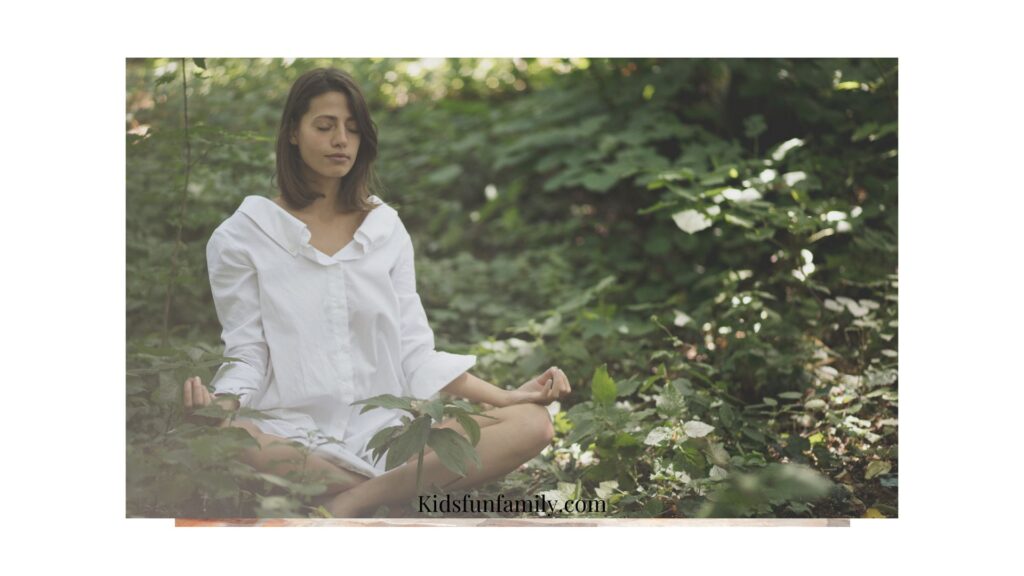
Quick mindfulness breaks provide students with brief yet effective techniques to alleviate stress and enhance focus amidst their busy schedules. These breaks can appear in the form of guided audio recordings or written instructions for simple relaxation exercises they can complete in just five minutes. These exercises may include deep breathing, body scans, or visualization techniques to promote relaxation and mental clarity.
Mindfulness Workshops or Group Sessions
Hosting workshops or group sessions creates a supportive community where students can learn about mindfulness, share experiences, and receive peer encouragement. To do this,
organize weekly or monthly mindfulness workshops on campus where students can gather to practice mindfulness techniques together. These sessions can include
- Guided meditations
- Discussions on stress management strategies
- Activities promoting self-awareness and emotional regulation.
Peer-led support groups should also be established where students can meet regularly to discuss their mindfulness practices, share challenges, and offer mutual support.
Integration of Mindfulness into Daily Routines
Encouraging the integration of mindfulness into daily routines helps students cultivate sustainable habits that promote overall well-being. This can be done by,
- Keeping a mindfulness journal for reflection and self-expression.
- Setting aside time each day for meditation or mindfulness exercises
- Practising mindful eating by savouring each bite and paying attention to cues for hunger and fullness.
Mindfulness Crafts for Adults and Teaching Mindfulness to Adults
Mindfulness activities aren’t limited to students. Engaging adults in mindfulness through creative activities like mindful crafting can offer a unique and enjoyable approach to promoting well-being and stress reduction. Here are some mindfulness activities for working adults
Mindful Crafting Stations
Mindful crafting provides a hands-on and creative way for adults to practice mindfulness while engaging in activities that promote relaxation and self-expression.
- Gratitude Jars: Create and decorate jars as you like. When something you are grateful for happens, write it down on paper and insert it into the jar.
- Mindfulness Jars: Create mindfulness jars by adding glitter to the water and then watching the glitter settle as they practise deep breathing and focus on the present moment.
- Mandala Colouring: Colour intricate mandala designs, concentrating deeply on the patterns and colors, allowing your mind to relax and be fully present in the creative process.
Emphasising Self-Compassion and Non-Judgmental Awareness
When teaching mindfulness to adults, it’s essential to emphasize self-compassion and nonjudgmental awareness. Through these practices, one can learn to foster a kind and accepting attitude toward oneself and one’s experiences.
- Self-Compassion Practices: Practise loving-kindness meditation or writing self-compassionate letters to themselves.
- Non-Judgmental Awareness: Encourage adults to observe their thoughts, emotions, and sensations without judgment or criticism.
Mindfulness Websites, Worksheets, and Resources
Access to mindfulness resources is essential for continued practice and learning. All students, parents, and educators can visit reputable mindfulness websites offering guided meditations, worksheets, and downloadable PDFs. These resources often cover various topics, from stress reduction techniques to cultivating gratitude and resilience. You can encourage exploration and experimentation with different mindfulness practices to find what resonates best with each individual.
Conclusion
Incorporating mindfulness activities into daily life benefits individuals of all ages, from young children to college students and adults. Introducing mindfulness early on, children develop valuable skills for managing emotions and navigating challenges with resilience. In college and adulthood, mindfulness becomes a powerful tool for coping with stress, improving focus, and enhancing overall well-being. Ultimately, doing mindfulness activities plays a powerful role in creating a more mindful, compassionate world for future generations.